Introduction
Drug poisoning happens when someone takes too much medicine or the wrong kind. This can be by accident or on purpose. Drug poisoning is a serious health problem. It can affect people of all ages. In fact, knowing the signs of drug poisoning can help save lives. Many people search for how to treat drug poisoning at home or ways of preventing accidental drug poisoning. However, it is important to act quickly and safely. This blog will explain what drug poisoning is, its symptoms, causes, diagnosis, treatment, and how to prevent it.
What is Drug Poisoning?
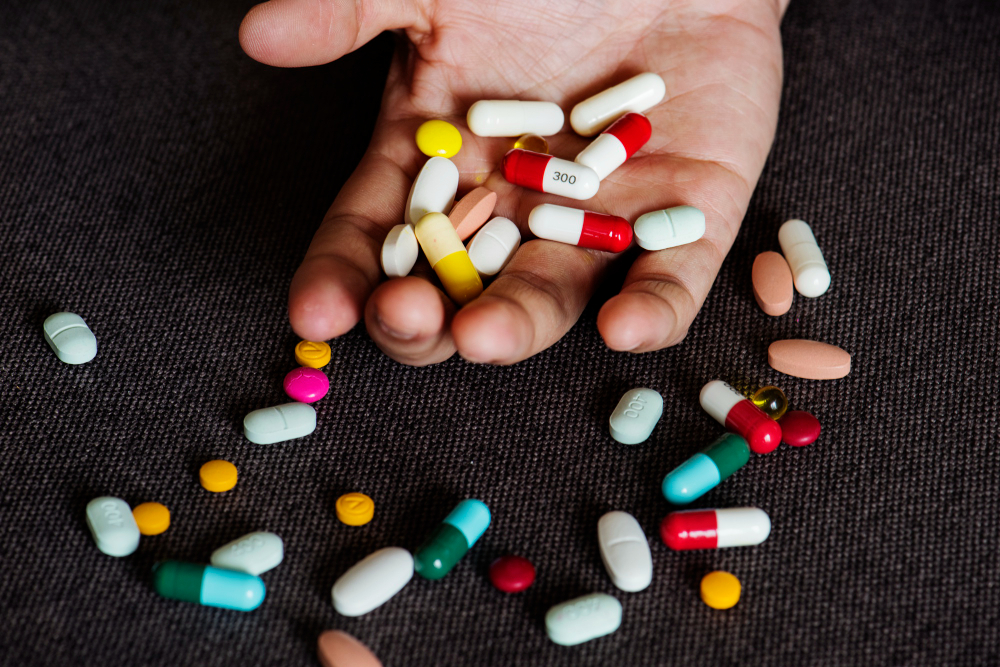
Drug poisoning means the body has too much of a drug or medicine. Sometimes, this happens by taking the wrong dose. Other times, it is from mixing medicines that should not be used together. Drug poisoning can be mild or very dangerous. For example, even common medicines can cause harm if not used as directed. Children and older adults are at higher risk. Therefore, it is important to use medicines safely and store them away from children.
Common Symptoms
Recognizing the signs of drug poisoning early can help prevent serious problems. Symptoms can appear quickly or slowly, depending on the drug. Below are some common signs and symptoms:
Sometimes, symptoms may be mild at first. But they can get worse quickly. Therefore, always watch for changes in behavior or health after taking medicine.
Causes and Risk Factors
There are many causes of drug poisoning. Often, it happens by accident. For instance, someone may take the wrong dose or mix medicines. Children may swallow pills they find at home. Older adults may forget if they have already taken their medicine. In some cases, people may take drugs on purpose to harm themselves. Other risk factors include:
According to the Centers for Disease Control and Prevention (CDC), drug poisoning is a leading cause of injury and death in many countries.
Diagnosis
Doctors use several steps to diagnose drug poisoning. First, they ask about the person’s symptoms and what medicines were taken. Next, they may check vital signs like heart rate and breathing. Blood and urine tests can help find out which drug is in the body. Sometimes, doctors may use imaging tests to check for damage to organs. Early diagnosis is important because it helps guide the right treatment. Therefore, always share as much information as possible with the doctor.
Treatment Options
If you think someone has drug poisoning, act fast. Call emergency services right away. While waiting for help, try to keep the person calm and awake. Do not try to make them vomit unless a doctor says so. At the hospital, doctors may:
Some treatments depend on the type of drug taken. Therefore, always bring the medicine bottle or packaging to the hospital if possible.
Prevention Tips
Preventing accidental drug poisoning is possible with a few simple steps. Here are some tips:
In addition, always check with a healthcare provider before starting new medicines.
Lifestyle Guidance for Safe Medication Use
Safe medicine use is important for everyone. To begin with, always take medicines as prescribed. Never change the dose without talking to your doctor. If you have trouble remembering, set reminders or use a pillbox. Also, keep a list of all your medicines. Share this list with your doctor at every visit. If you notice any side effects, report them right away. Finally, avoid mixing medicines with alcohol unless your doctor says it is safe.
When to Seek Medical Help
Sometimes, drug poisoning can be life-threatening. Seek emergency help if you notice:
Even if symptoms seem mild, it is better to be safe. Therefore, call your local poison control center or emergency number for advice.
Conclusion
In summary, drug poisoning is a serious but preventable problem. Knowing the symptoms, causes, and treatment options can help protect you and your loved ones. Always use medicines safely and store them out of reach of children. If you suspect drug poisoning, consult Dr. Nitin Sawale immediately for personalized guidance.