Understanding Severe Allergies in Children
Severe allergies in children can be life-threatening. These reactions happen when a child’s immune system overreacts to something harmless, like certain foods, insect stings, or pollen. In the United States, severe allergies are a growing concern. Parents often search for terms like “childhood severe allergy symptoms” or “how to recognize severe allergies in kids.” Knowing the signs can help you act quickly and keep your child safe.
What Are Severe Allergies in Children?
Severe allergies, also called anaphylaxis, are strong reactions that can affect the whole body. Unlike mild allergies, these reactions need fast medical care. For example, a child may react to peanuts, milk, eggs, or bee stings. Sometimes, even a small amount of the allergen can cause a big problem. Because these reactions can happen quickly, it is important to know what to look for.
Common Signs and Symptoms of Severe Allergies in Children
Recognizing pediatric allergy warning signs early can save lives. While mild allergies may cause sneezing or a rash, severe allergies show stronger symptoms. Below are some signs to watch for:
Sometimes, these symptoms appear within minutes. However, they can also develop over a few hours. Either way, quick action is needed.
How to Tell Mild from Severe Allergy Symptoms
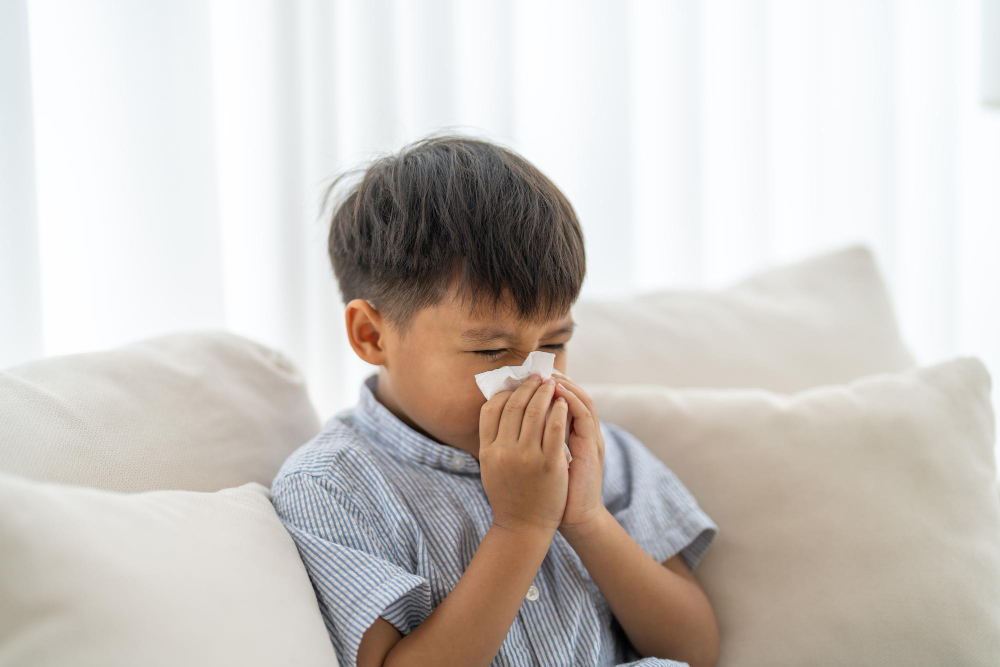
Not all allergies are severe. Mild allergies may cause a runny nose, mild rash, or itchy eyes. But, severe allergies are different. For instance, if your child has trouble breathing, swelling in the mouth or throat, or passes out, these are signs of a severe reaction. Additionally, if two or more body parts are affected (like skin and breathing), it is likely severe. Always watch for changes in your child’s behavior or appearance.
When to Seek Immediate Medical Attention
If you notice any severe allergy symptoms, act fast. Call emergency services right away. Use an epinephrine auto-injector if your child has one. Even if symptoms seem to get better, your child should still see a doctor. Sometimes, symptoms can return after a short time. Early treatment can prevent serious problems.
Reliable Sources for More Information
For more details, you can visit trusted websites. The Centers for Disease Control and Prevention (CDC) and the World Health Organization (WHO) offer helpful guides. Your child’s doctor or a pediatric allergy specialist can also answer your questions. Staying informed helps you protect your child.
Conclusion
In summary, knowing the signs and symptoms of severe allergies in children is very important. Quick action can save lives. If you suspect your child has severe allergies, consult a pediatric specialist at City Hospital Buldana for personalized advice.