
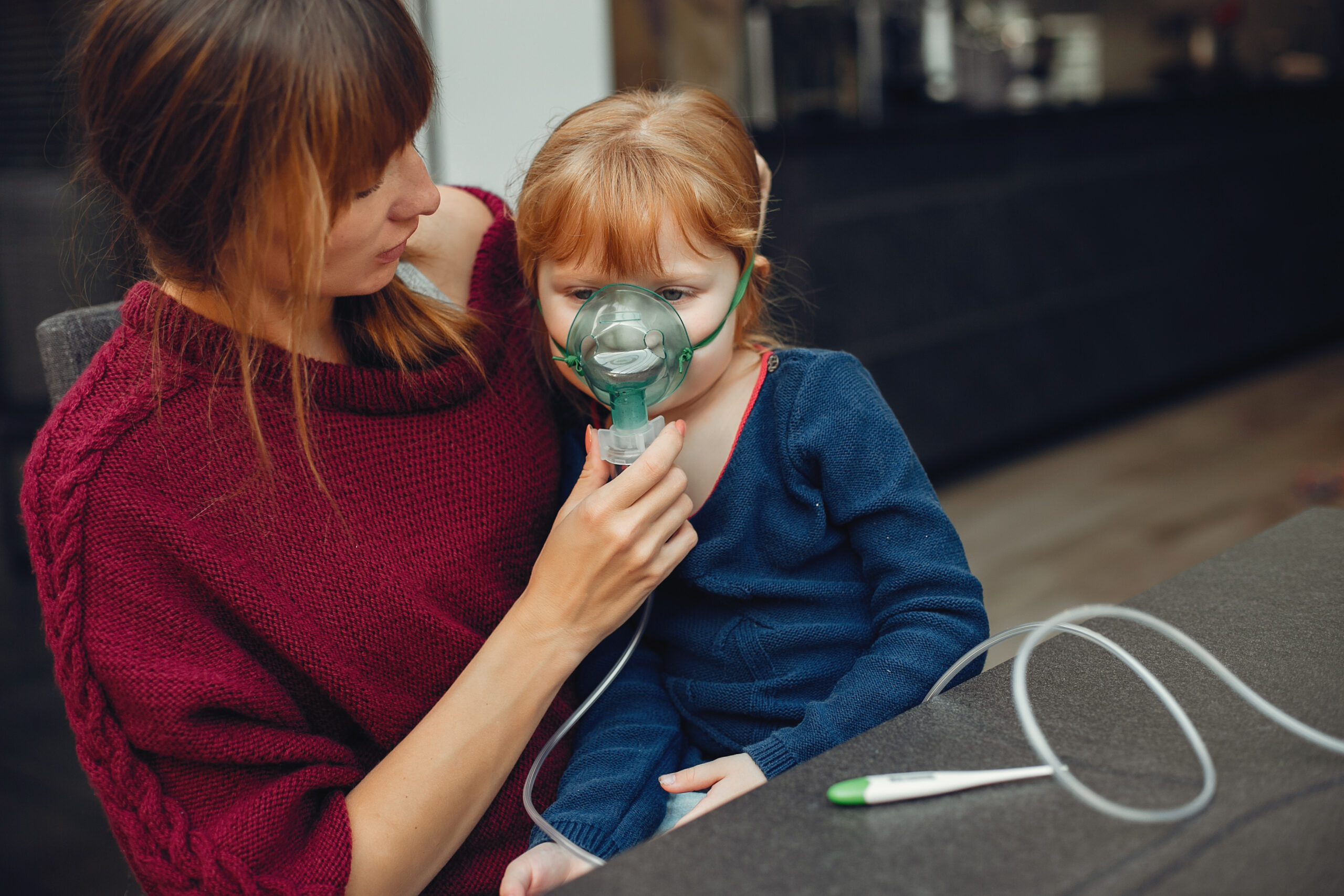
Asthma in children is a common lung condition. It can cause trouble breathing, coughing, and wheezing. Sometimes, asthma in children emergency situations can happen without warning. Knowing what to do during a child asthma attack can save lives. This guide will help parents and caregivers handle emergencies with confidence.
What Is Asthma in Children?
Asthma is a long-term illness that affects the airways in the lungs. In children, these airways can become narrow and swollen. As a result, it becomes hard for air to move in and out. Children may cough, wheeze, or feel tightness in their chest. According to the CDC, asthma is one of the most common chronic diseases in children. Although it cannot be cured, it can be managed with the right care.
Recognizing an Asthma Emergency
Sometimes, asthma symptoms get worse very quickly. This is called an asthma emergency. Early signs can help you act fast. For example, watch for these warning signs:
If you notice any of these, it may be an emergency. Quick action is important.
Immediate Steps to Take During an Asthma Attack
When a child has an asthma attack, stay calm. First, help your child sit up straight. This can make breathing easier. Next, follow these steps:
Always follow your child’s asthma action plan if you have one. If you are unsure, call your doctor or emergency services.
When to Seek Emergency Medical Help
Sometimes, home treatment is not enough. You should call emergency services or go to the hospital if:
In these cases, do not wait. Fast action can save your child’s life. The CDC and WHO both stress the importance of quick emergency care for severe asthma attacks.
Preventing Asthma Emergencies in Children
Although emergencies can happen, you can lower the risk. For instance, follow these steps:
With good planning, many asthma emergencies can be avoided.
Tips for Parents and Caregivers
As a parent or caregiver, you play a key role. Here are some helpful tips:
Most importantly, ask your doctor questions if you are unsure about any step.
In summary, knowing what to do if child has asthma attack can make a big difference. If your child has asthma, consult Dr. Nitin Sawale for a personalized action plan. This will help you stay prepared and keep your child safe.