Introduction to Knee Osteoarthritis
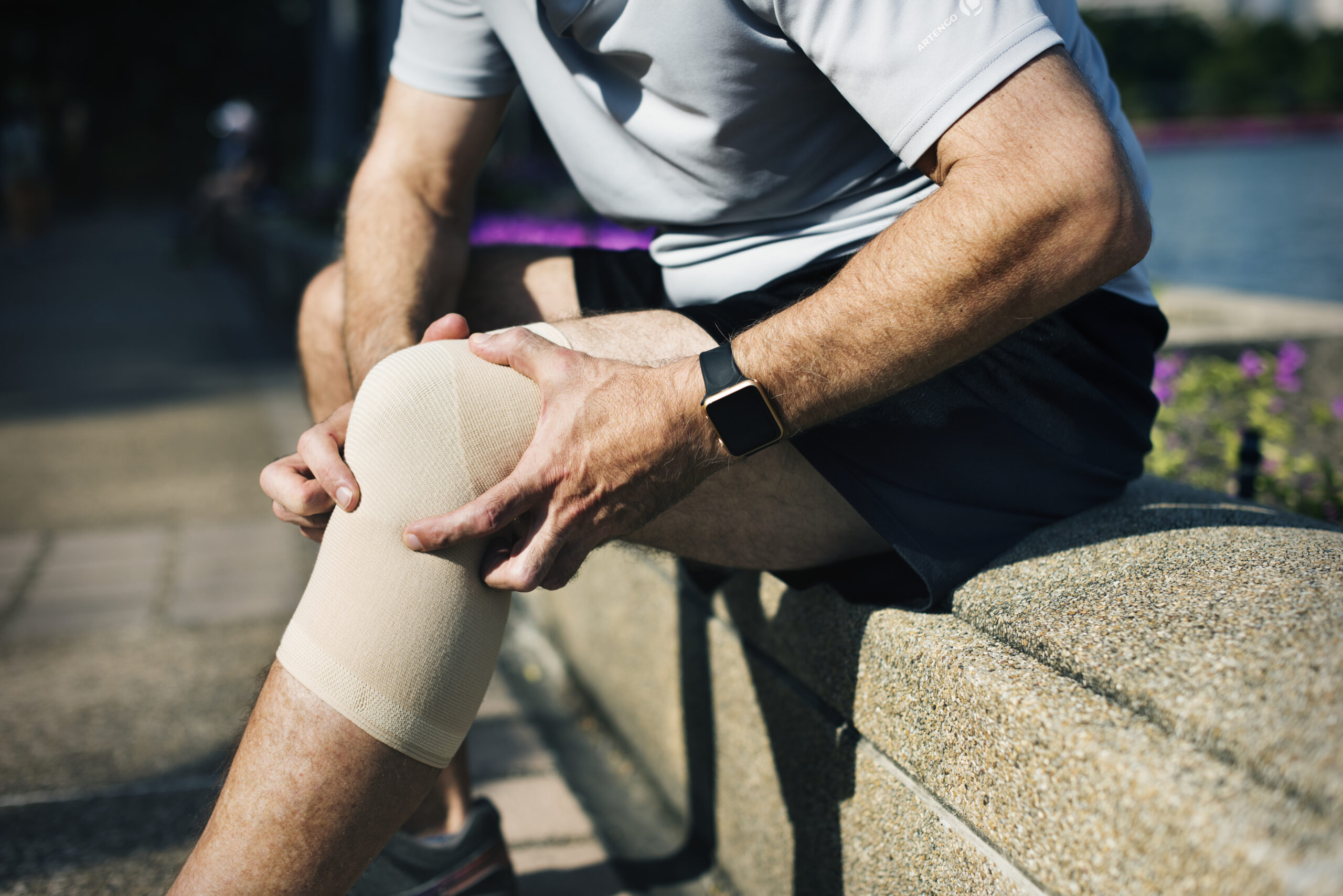
Knee osteoarthritis is a common joint problem, especially in older adults. In the United States, millions of people live with this condition. It causes pain, stiffness, and swelling in the knee. Because it can affect daily life, understanding the risk factors of knee osteoarthritis is important. Knowing these risks can help you take steps to protect your knees.
What Are the Risk Factors of Knee Osteoarthritis?
Many things can increase your chance of developing knee osteoarthritis. Some risks come from your lifestyle, while others are out of your control. For example, age and family history play a role. However, your weight and activity level also matter. According to the CDC, these are the main risk factors of knee osteoarthritis:
Because these factors can add up, it is helpful to know which ones you can change.
Modifiable vs. Non-Modifiable Risk Factors
Not all risk factors of knee osteoarthritis are the same. Some you can change, while others you cannot. Let’s look at both types.
Modifiable Risk Factors
By making changes in these areas, you may lower your risk.
Non-Modifiable Risk Factors
Although you cannot change these, knowing them helps you stay alert for early signs.
How to Reduce Your Risk
While you cannot control every cause of knee osteoarthritis, you can take steps to lower your risk. For example, keeping a healthy weight is very helpful. In addition, regular, gentle exercise keeps your knees strong. Here are some tips:
Because small changes can make a big difference, start with one or two tips today.
When to Seek Medical Advice
Sometimes, knee pain or stiffness does not go away on its own. If you notice swelling, pain, or trouble moving your knee, it is time to talk to a doctor. Early care can help prevent more damage. In addition, if you have a family history of knee osteoarthritis, regular check-ups are wise. Your doctor can suggest ways to protect your knee health.
Consult an orthopedic specialist Dr. Nitin Sawale for personalized advice on knee osteoarthritis prevention.